
Depression Signs, Natural Relief, and Treatment Options
Learn the key signs and symptoms of depression, how to support someone who is struggling, what to know about medication side effects, and when natural remedies and therapy can help.

Learn the key signs and symptoms of depression, how to support someone who is struggling, what to know about medication side effects, and when natural remedies and therapy can help.
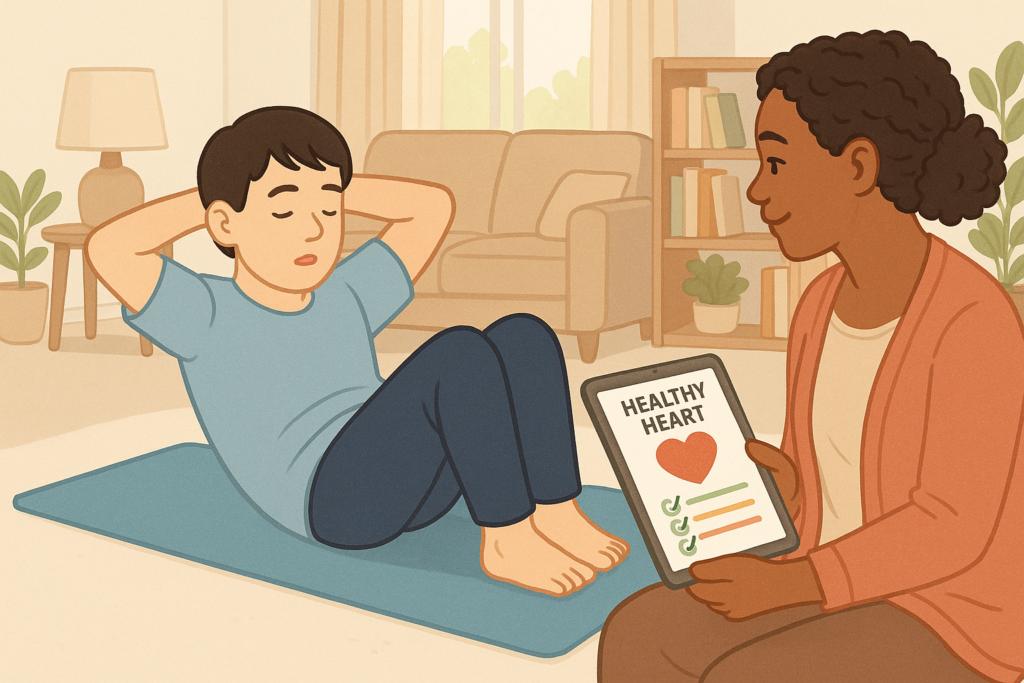
New research suggests people with autism may face cardiometabolic risks earlier in life. Learn how to protect heart health with nutrition, movement, and timely care.

New long-term research shows that depression and other mental health conditions can double the risk of serious injuries. Learn the signs and symptoms of depression, how to support someone you care about, and the safest mix of natural remedies, therapy, and medication.
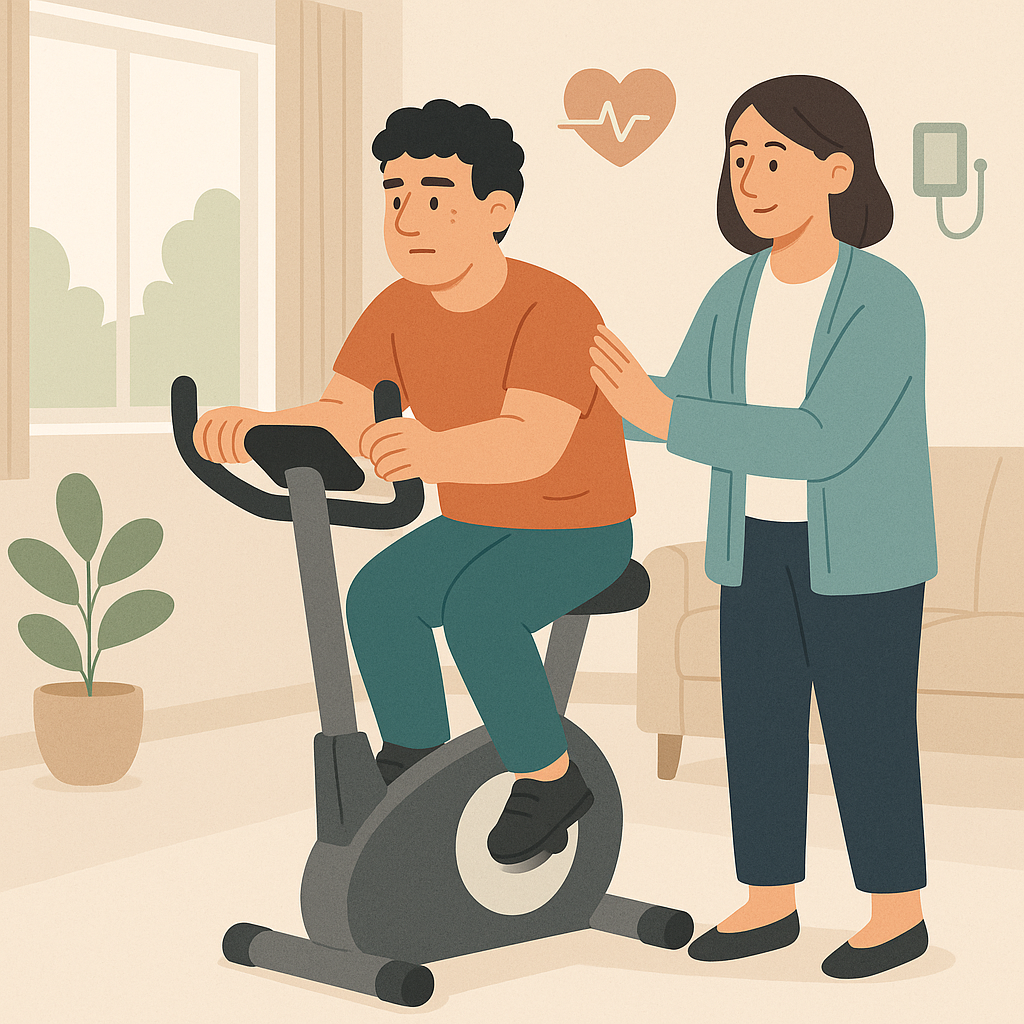
A major Dutch study finds people with autism face higher risks of hypertension, stroke and heart failure at younger ages. Learn what this means and how to protect heart health at home.
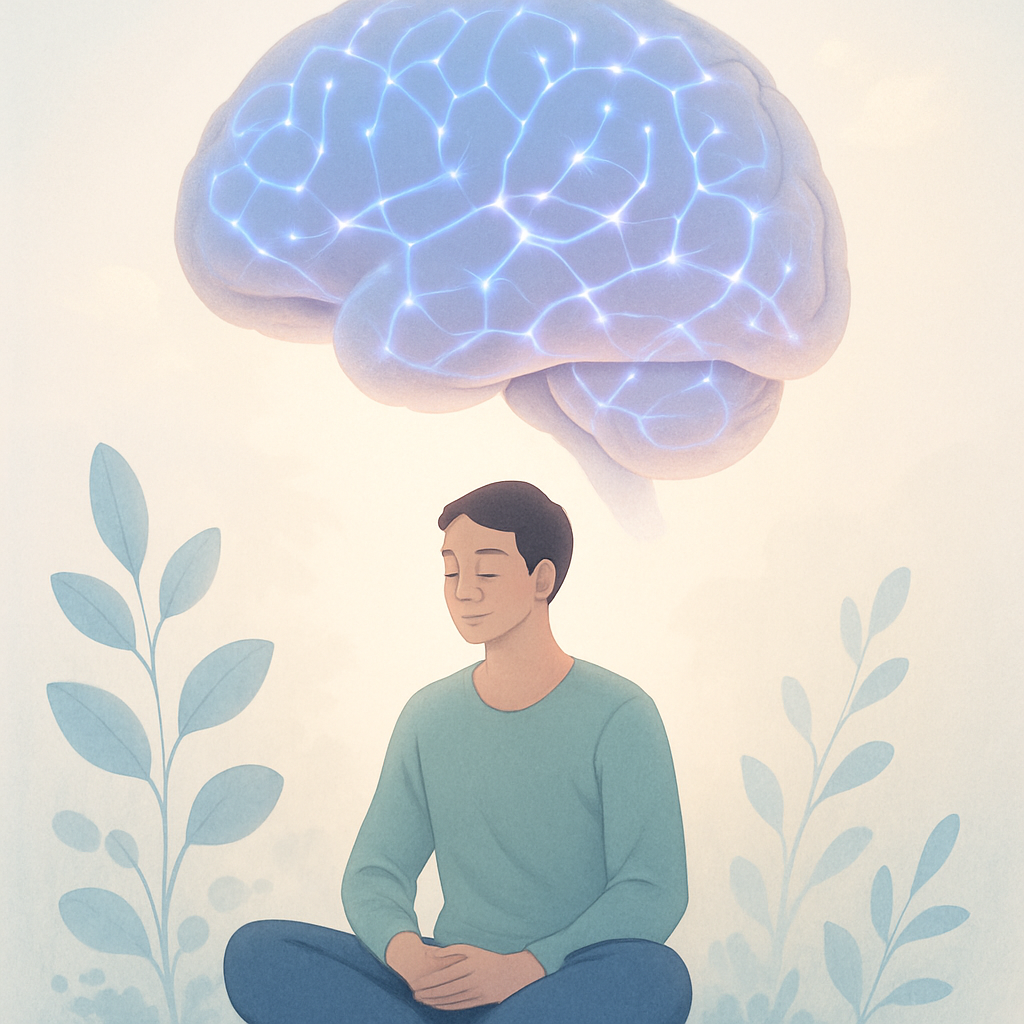
New brain imaging research is reshaping how we understand depression, why some treatments work better for certain people, and how to support loved ones through recovery.

Eco-anxiety is rising among children and young adults as climate change accelerates. Learn what drives this distress, how it overlaps with depression, and practical ways to support young people’s mental health.

New global research shows that creative arts therapies can significantly ease PTSD symptoms in children and teens, especially in non‑Western communities, and may also support depression recovery.

Climate change is reshaping how depression and distress show up in the therapy room. Learn how climate‑informed care can improve support, from assessment to community resilience.

Climate change is intensifying mental health challenges, from eco-anxiety to depression, and its burden falls heaviest on the most vulnerable. Learn how health systems, therapies and communities can respond in a warming world.

New research from a large Swedish cohort shows that how you manage emotions in mid-pregnancy can strongly predict perinatal depression months later. Learn what this means for early screening, support, and safer treatment choices.